

A Future-Proof Sustainability Strategy.
Sustainability applicable in the practice of your organization.











5 Steps to the Right Sustainability Strategy.
A good sustainability strategy brings overview, direction and coherence. Précon supports organizations in developing, substantiating and implementing a future-proof strategy.

Context
We start by understanding the organization and its context. In an inspiration workshop we share knowledge about trends and developments in the market, relevant legislation such as the EUDR or PPWR. This creates a shared picture of where the organization is making an impact and which risks and opportunities are relevant.
Learn more about:

Materiality (DMA)
We perform a dual materiality analysis (DMA) to determine which sustainability themes are really relevant to the organization.
We look at both the impact of the organization on people and the environment, as well as the risks and opportunities that sustainability issues bring to the organization itself. Input from internal and external stakeholders, such as employees, suppliers and customers, plays an important role in this.

Data
Next, we map where the organization stands now. We analyze available data on environmental, social and governance themes, including CO₂ emissions within scope 1, 2 and 3, labor and supply chain risks and existing policies.

Objectives
Based on the chosen themes and insights, we formulate a clear sustainability strategy. We translate this into concrete ambitions, objectives and measures that fit the organization and are feasible in practice. We also look at how these achievements relate to ambitions such as Science Based Targets (SBTi).
We also pay attention to involving employees and management and how sustainability is embedded in processes, roles and responsibilities within the organization.
Learn more about:

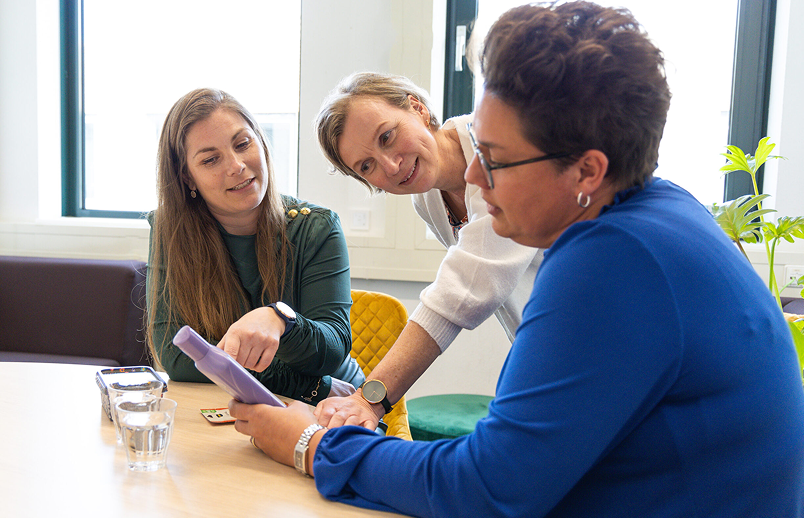

Interim support at SD Guthrie

Interim QA support at Astra Sweets

Outsourcing QA at Beevers Cheese
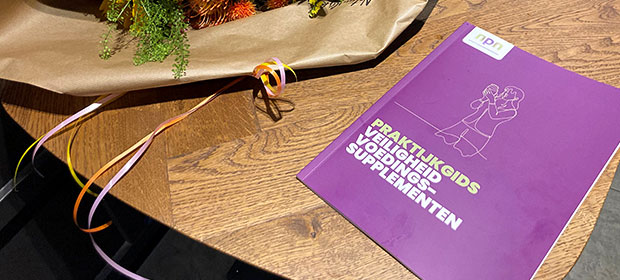

Development of Practical Guide Safety Food Supplements for industry association NPN
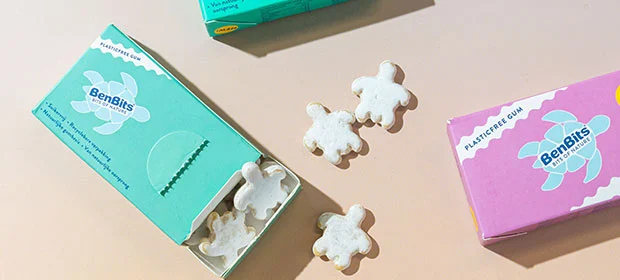
Organic gum from Benbits


Gate training for Alco Energy
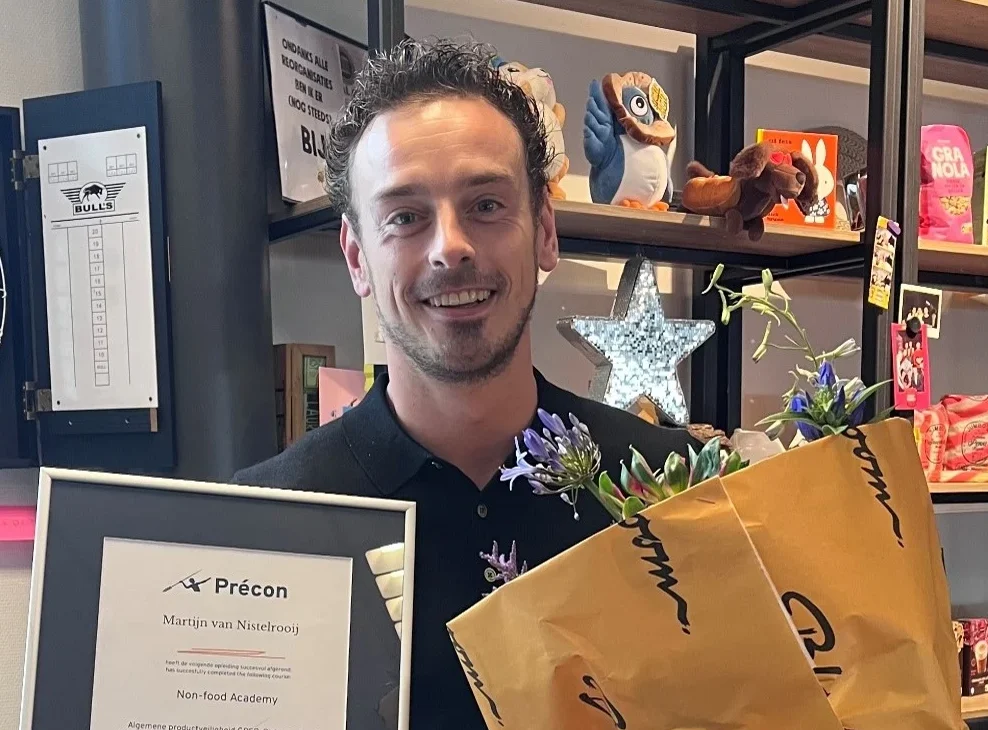

A Flying Start with the Non-Food Academy


Quality matters outsourced at Précon

Durabo strengthens product safety with Non-Food Academy


Mystery Guest Food Defense
Free intake interview.
In a short and non-committal conversation we explore where your organization stands on sustainability and what you are up against. Whether it is about understanding and implementing legislation, developing a strategy or obtaining a quality mark, we think along about possible next steps and give an honest picture of what we can do for you.
What an intake will bring you
- Gain joint insight into your sustainability challenges
- An action plan with concrete steps
- Understanding what support we can offer
Related trainings.

EUTR (European Timber Regulation)


Getting started with CO₂ and SBTi

Claims, labels and advertising on food products


Sustainable business: from Strategy to Action
Frequently asked questions.
For us sustainability means: getting a grip on legislation, making conscious long-term choices and securing this in the strategy of your organization.
Yes, sustainability is relevant to any organization. Whether the reason is legislation, a customer demand or intrinsic motivation to future-proof business, a proper implementation of sustainability in your organization helps to manage risks and be prepared for changes in legislation and market developments. This applies to every company, from SMEs to multinationals.
Sustainability can reduce risks, improve efficiency and create commercial opportunities, especially if it is well embedded in the organization.
A sustainability strategy gives direction to where you want to go as an organization and which themes have priority. Think of choices around environment, social impact or climate. This strategy is different for every company; our consultants help you make the right choices.
CO₂-insight and goals are an important part of the sustainability strategy. Our consultants help you understand CO₂ data, set realistic reduction targets and translate them into concrete actions.
Yes. Sustainability reporting, such as CSRD or voluntary reporting according to the VSME, helps to substantiate your choices and make the progress transparent. Together with our consultant you look at which form of reporting suits your organization.
We support the implementation of the PPWR, EUDR/EUTR, ESPR, Battery Regulation, Forced Labor Regulation, Consumer Empowerment Directive and all other upcoming EU legislation.
This varies per regulation and per organization. Our consultants help you understand what is already mandatory, which laws and regulations are coming and when you can still wait.
Sign up for our newsletter to stay informed. Our experience shows that even when legislation is delayed or relaxed, all actions taken still retain their value for your organization.
Both. Our consultants help you with the interpretation of legislation and also with the practical translation to your processes, documentation and practices.
Among other things with product labels, such as the European organic label (SKAL) or Fairtrade Original, but also with strategic company certifications, such as EcoVadis and B Corp.
Labels are often operational and process-oriented and link to a specific product. Certifications are broader and touch strategy, policy and organizational setup.
General
For us sustainability means: getting a grip on legislation, making conscious long-term choices and securing this in the strategy of your organization.
Yes, sustainability is relevant to any organization. Whether the reason is legislation, a customer demand or intrinsic motivation to future-proof business, a proper implementation of sustainability in your organization helps to manage risks and be prepared for changes in legislation and market developments. This applies to every company, from SMEs to multinationals.
Sustainability can reduce risks, improve efficiency and create commercial opportunities, especially if it is well embedded in the organization.
Sustainability Strategy
A sustainability strategy gives direction to where you want to go as an organization and which themes have priority. Think of choices around environment, social impact or climate. This strategy is different for every company; our consultants help you make the right choices.
CO₂-insight and goals are an important part of the sustainability strategy. Our consultants help you understand CO₂ data, set realistic reduction targets and translate them into concrete actions.
Yes. Sustainability reporting, such as CSRD or voluntary reporting according to the VSME, helps to substantiate your choices and make the progress transparent. Together with our consultant you look at which form of reporting suits your organization.
Legislation
We support the implementation of the PPWR, EUDR/EUTR, ESPR, Battery Regulation, Forced Labor Regulation, Consumer Empowerment Directive and all other upcoming EU legislation.
This varies per regulation and per organization. Our consultants help you understand what is already mandatory, which laws and regulations are coming and when you can still wait.
Sign up for our newsletter to stay informed. Our experience shows that even when legislation is delayed or relaxed, all actions taken still retain their value for your organization.
Both. Our consultants help you with the interpretation of legislation and also with the practical translation to your processes, documentation and practices.
Hallmarks and certifications
Among other things with product labels, such as the European organic label (SKAL) or Fairtrade Original, but also with strategic company certifications, such as EcoVadis and B Corp.
Labels are often operational and process-oriented and link to a specific product. Certifications are broader and touch strategy, policy and organizational setup.
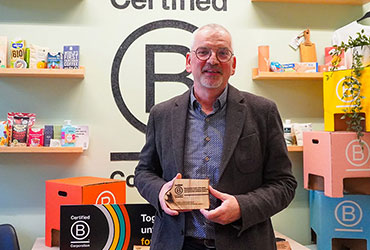
We’ve officially been a Certified B Corp for one year!

Webinar | Complying with the PPWR: a daunting task? With VINQ, you’ll be compliant in no time

EmpCo Guidance: 'Sustainability claims you have to start proving now'

Update PPWR: European Commission publishes comprehensive Guidance and FAQ

Our trainings with a renewed sustainable lunch

New CO2 and SBTi training repeated due to success

New training: Packaging PPWR (Packaging and Packaging Waste Regulation)!

EUDR postponement to 2026: What does it mean for your organization?

New training: getting started with sustainability claims!
Précon achieves B Corp Certification!

Need help with safe & fair products?
Our professionals are happy to help